
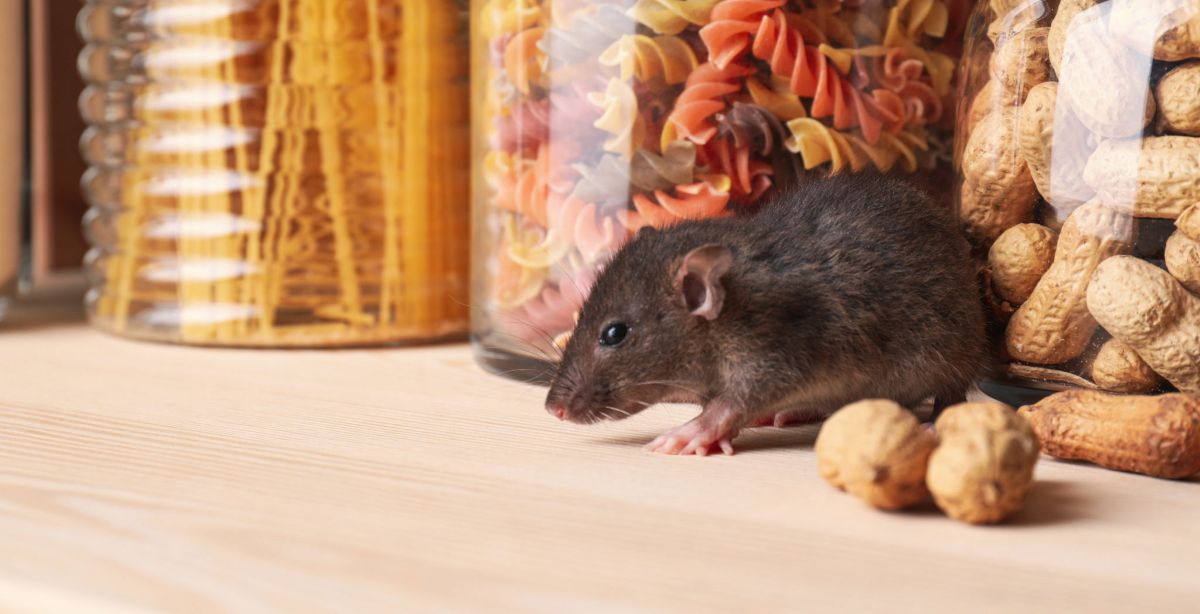

Rats are one of the most destructive pests found in residential and commercial properties. They contaminate food, damage electrical wiring, spread diseases, and multiply rapidly if left untreated. In a busy urban environment like Sydney, where homes, restaurants, and warehouses are closely packed, rat infestations can quickly become a serious problem.
Professional rat control Sydney services focus on identifying the root cause of infestations and applying long-term solutions rather than temporary fixes. By following a structured approach, property owners can significantly reduce rat activity and prevent future infestations. Below are three essential steps that ensure effective and lasting rat control.
1. Identify Entry Points and Infestation Areas
The first step in effective rat control is a thorough inspection of the property. Rats can enter through extremely small openings—cracks in walls, gaps around pipes, roof vents, broken tiles, or poorly sealed doors and windows. Identifying these entry points is crucial to stopping rats from accessing your space.
During an inspection, professionals look for signs such as droppings, gnaw marks, grease trails along walls, scratching noises, and nesting materials. Outdoor areas like garages, sheds, gardens, and waste storage zones are also examined, as these are common breeding grounds.
Once entry points and high-activity areas are located, sealing gaps and repairing structural weaknesses becomes a priority. Without blocking access, even the best treatment methods will only offer short-term relief.
2. Eliminate Rats Using Targeted Control Methods
After identifying infestation zones, the next step is eliminating the existing rat population using safe and targeted methods. Depending on the severity of the infestation and the type of property, different control techniques may be used.
These methods can include baiting systems, traps, and professional-grade rodenticides placed strategically to minimize risk to humans and pets. Licensed pest control experts understand rat behavior and feeding patterns, which allows them to position treatments effectively for maximum impact.
It’s important to avoid DIY treatments that may only kill a few rats while allowing others to survive and reproduce. Improper bait placement can also cause rats to die inside walls, leading to unpleasant odors and hygiene concerns. Professional treatment ensures efficient removal while maintaining safety standards. You may like to visit https://www.naa.gov.au/information-management/storing-and-preserving-information/preserving-information/integrated-pest-management to get more about integrated with pest management.
3. Implement Preventive Measures for Long-Term Protection
Long-term success in rat control depends on prevention. Once rats are removed, steps must be taken to ensure they do not return. This involves improving sanitation, reducing food sources, and maintaining the property regularly.
Food should be stored in sealed containers, rubbish bins should have tight-fitting lids, and pet food should never be left out overnight. Outdoor clutter, wood piles, and overgrown vegetation should be cleared, as these provide ideal shelter for rodents.
Routine inspections and maintenance play a vital role in prevention. Scheduling periodic pest control check-ups helps detect early signs of rat activity before a full infestation develops. Preventive strategies not only protect your property but also save money by avoiding repeated treatments.
Final Thoughts
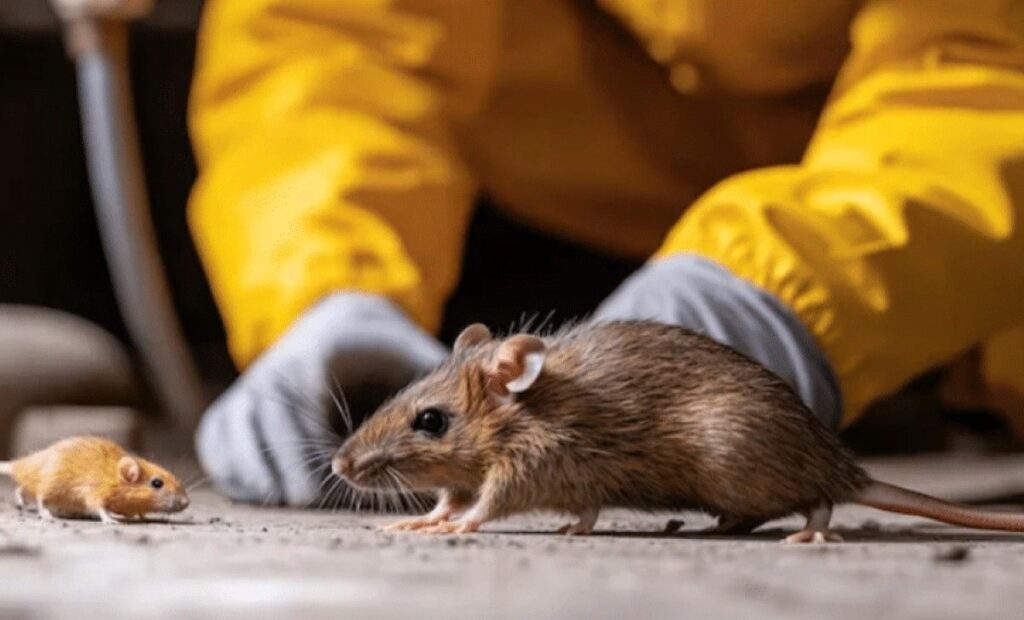
Rats are persistent pests that require a strategic and professional approach to control. By identifying entry points, eliminating infestations using targeted methods, and implementing long-term preventive measures, property owners can achieve effective and lasting results.
If you’re dealing with ongoing rodent issues, following these three essential steps will help protect your home or business and maintain a safe, hygienic environment. Effective rat control isn’t just about removal—it’s about prevention and peace of mind.
More to Read : Top 5 Signs You Need Home Termite Control Immediately
