
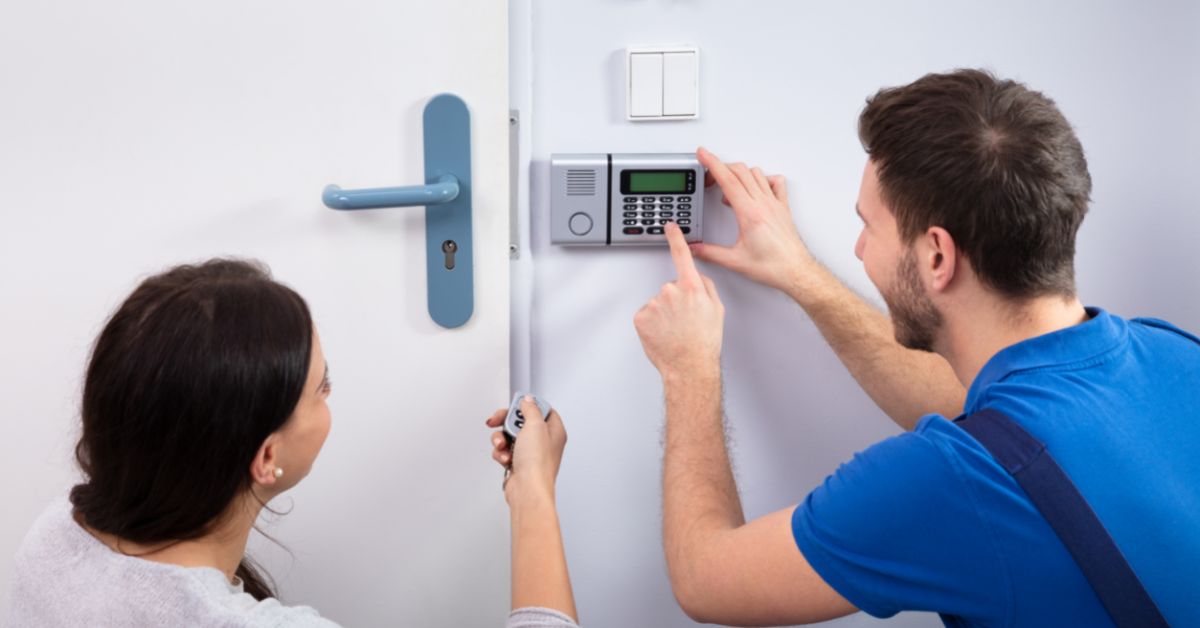

Access control systems have become an essential component of modern security solutions for both homeowners and businesses. These systems not only protect physical assets but also provide peace of mind by ensuring that only authorised individuals can enter specific areas. As the demand for enhanced security measures continues to rise, understanding the intricacies of access control system installation is crucial. This guide will delve into the various aspects of access control systems, including types, installation processes, benefits, and considerations for both residential and commercial settings.
Understanding Access Control Systems
Access control system installation are designed to regulate who can enter or exit a particular area. They can range from simple lock-and-key mechanisms to sophisticated electronic systems that utilise biometrics, key cards, or mobile applications. The fundamental purpose of these systems is to enhance security by restricting access to sensitive areas.
There are two primary types of access control systems: standalone systems and networked systems. Standalone systems operate independently and are typically used in smaller settings, while networked systems are integrated into a larger network, allowing for centralised management and monitoring. Understanding the differences between these systems is essential for selecting the right solution for your needs.
Types of Access Control Systems
Access control systems can be categorised into several types, each offering unique features and functionalities. The most common types include:
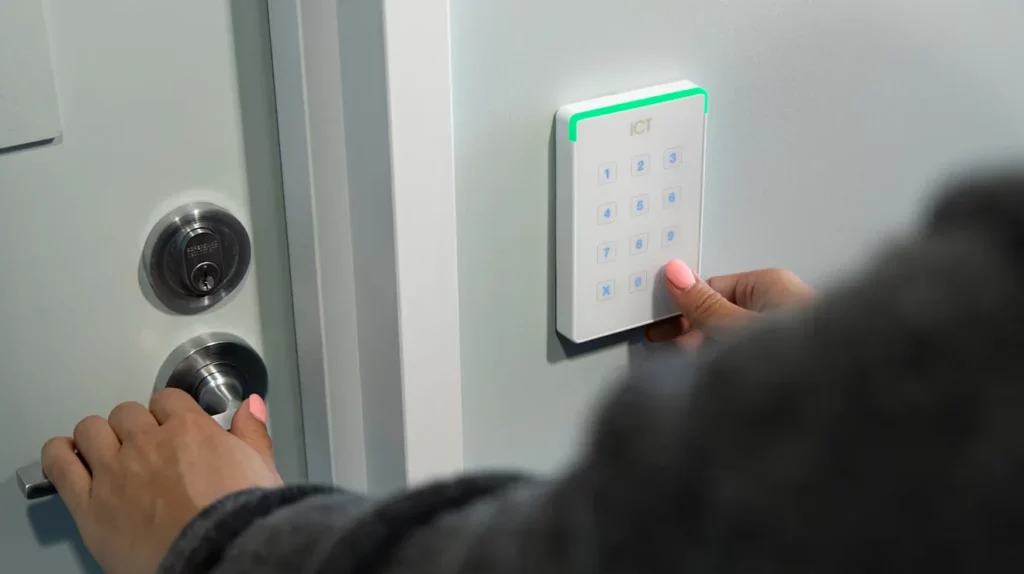
- Keypad Entry Systems: These systems require users to input a numerical code to gain access. They are simple to install and cost-effective, making them popular for residential properties.
- Card-Based Systems: Utilising key cards or fobs, these systems allow users to gain access by swiping or tapping their card against a reader. They are widely used in commercial environments due to their scalability and ease of use.
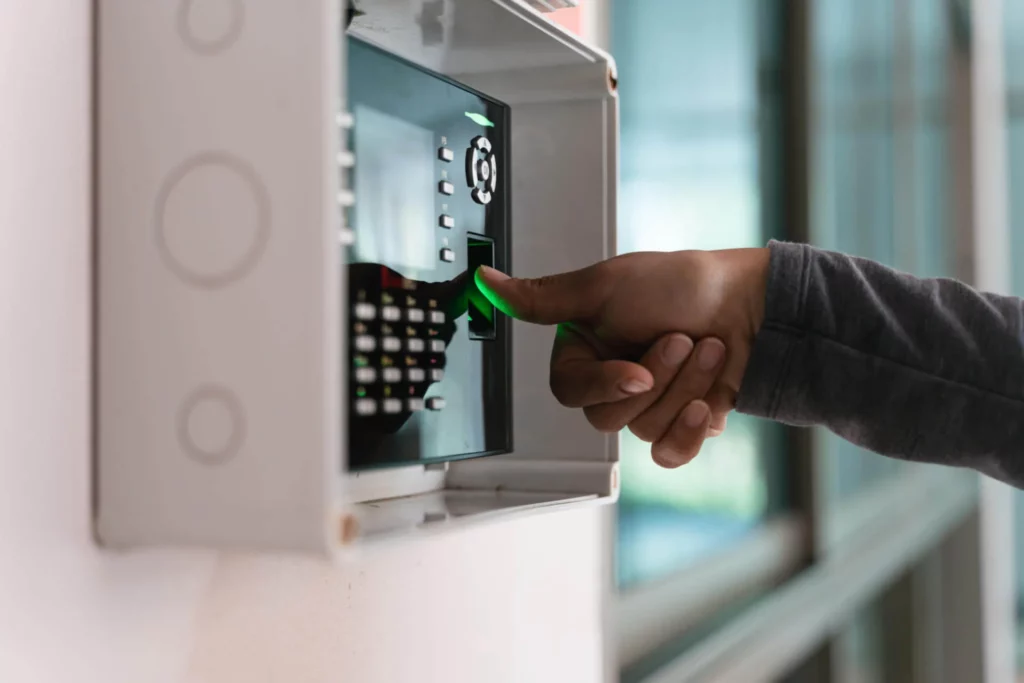
- Biometric Systems: These advanced systems use unique biological characteristics, such as fingerprints or facial recognition, to grant access. They offer a high level of security and are increasingly being adopted in sensitive environments.
- Mobile Access Systems: Leveraging smartphone technology, these systems allow users to unlock doors using a mobile app. This modern approach is gaining popularity for its convenience and flexibility.
Benefits of Access Control Systems
The implementation of access control systems offers numerous advantages for both homeowners and businesses. Understanding these benefits can help in making an informed decision regarding installation.
One of the primary benefits is enhanced security. By restricting access to authorised individuals, the risk of theft, vandalism, and unauthorised entry is significantly reduced. Additionally, many systems provide real-time monitoring and alerts, allowing for immediate responses to security breaches.
Improved Management and Control
Access control systems also facilitate better management of personnel and visitors. Businesses can easily track who enters and exits their premises, providing valuable data for security audits and compliance. This level of oversight is particularly beneficial in environments with high employee turnover or frequent visitors.
Moreover, access control systems can be integrated with other security measures, such as surveillance cameras and alarm systems, creating a comprehensive security solution. This integration not only enhances security but also streamlines operations, allowing for a more efficient response to incidents.
Cost-Effectiveness
While the initial investment in an access control system may seem significant, the long-term savings can be substantial. By preventing theft and damage, businesses can avoid costly losses. Furthermore, the ability to manage access remotely can reduce the need for on-site security personnel, leading to further cost savings.
For homeowners, the peace of mind that comes with knowing their property is secure can be invaluable. Many insurance companies also offer discounts for homes equipped with advanced security systems, providing an additional financial incentive.
Installation Process of Access Control Systems
Installing an access control system involves several key steps, whether for a residential or commercial property. Understanding this process can help ensure a smooth installation and optimal functionality.
The first step is to assess the specific security needs of the property. This includes identifying vulnerable areas, determining the number of access points, and evaluating the level of security required. Engaging with a professional security consultant can provide valuable insights during this assessment phase.
Choosing the Right System
Once the security needs have been identified, the next step is selecting the appropriate access control system. Factors to consider include the type of access control (keypad, card-based, biometric, etc.), the number of users, and the integration capabilities with existing security measures. It is essential to choose a system that aligns with both current and future security needs.
After selecting the system, the installation process can begin. This typically involves mounting hardware, wiring, and configuring software. For more complex systems, professional installation is recommended to ensure proper functionality and security.
Testing and Maintenance
Once installed, thorough testing of the access control system is crucial. This includes verifying that all components are functioning correctly and that access permissions are set appropriately. Regular maintenance checks should also be scheduled to ensure the system remains in optimal condition. This may involve software updates, battery replacements, and hardware inspections.
Establishing a routine maintenance schedule can help identify potential issues before they become significant problems, ensuring the longevity and reliability of the access control system.
Considerations for Homeowners and Businesses
When considering the installation of an access control system, several factors should be taken into account to ensure the best outcome.
Firstly, budget plays a crucial role in the decision-making process. Access control systems vary widely in price, depending on the complexity and features. Homeowners and businesses should weigh the costs against the potential benefits to determine the best fit for their needs.
Scalability and Future Needs
Another important consideration is scalability. As businesses grow or homeowners expand their properties, the access control system should be able to adapt to changing needs. Opting for a system that allows for easy upgrades or additional components can save time and money in the long run.
Additionally, it is essential to consider the user experience. A system that is too complicated may lead to frustration and non-compliance among users. Ensuring that the system is user-friendly will encourage adherence to security protocols and enhance overall effectiveness.
Legal and Compliance Issues
Finally, understanding the legal and compliance issues associated with access control systems is vital. Businesses, in particular, must ensure that their systems comply with relevant regulations, such as data protection laws and workplace safety standards. Consulting with legal experts can help navigate these complexities and ensure compliance.
Conclusion
Access control systems are an integral part of modern security solutions for both homeowners and businesses. By understanding the various types of systems available, the benefits they offer, and the installation process, individuals can make informed decisions that enhance their security. With careful consideration of factors such as budget, scalability, user experience, and legal compliance, homeowners and businesses can successfully implement access control systems that meet their unique security needs.
See Also: CCTV camera installation: what you need to know before you buy.
