

In an increasingly security-conscious world, the installation of CCTV cameras has become a pivotal consideration for both residential and commercial properties. With a myriad of options available, understanding the nuances of CCTV camera installation is essential before making a purchase. This guide aims to provide comprehensive insights into what you need to know, ensuring that your investment enhances your security effectively.
Understanding CCTV Technology
Before diving into the specifics of installation, it is crucial to grasp the fundamental technology behind CCTV systems. Closed-Circuit Television (CCTV) refers to a system where video cameras transmit signals to a specific set of monitors, allowing for real-time surveillance and recording.
Modern CCTV systems come equipped with various features, including high-definition video, night vision capabilities, and remote access via smartphones or computers. Understanding these features will help you choose the right system for your needs.
Types of CCTV Cameras
There are several types of CCTV camera installation available, each suited for different environments and purposes. The most common types include:
- Dome Cameras: These are typically used indoors and are designed to be discreet. Their dome shape makes it difficult to determine which direction the camera is facing.
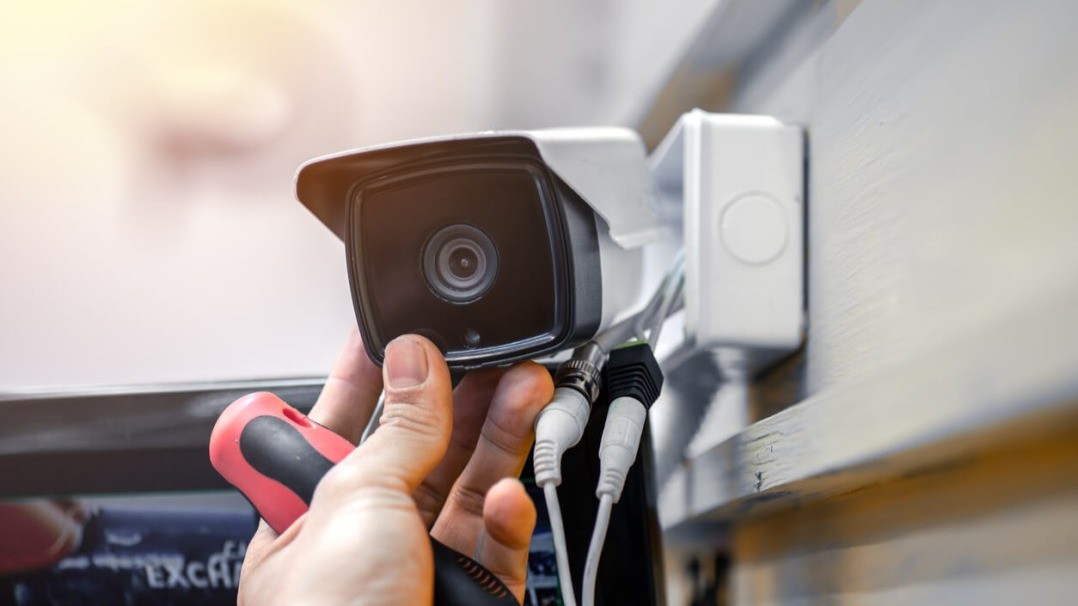
- Bullet Cameras: Known for their long-range capabilities, bullet cameras are ideal for outdoor use. They are easily identifiable and can deter potential intruders.
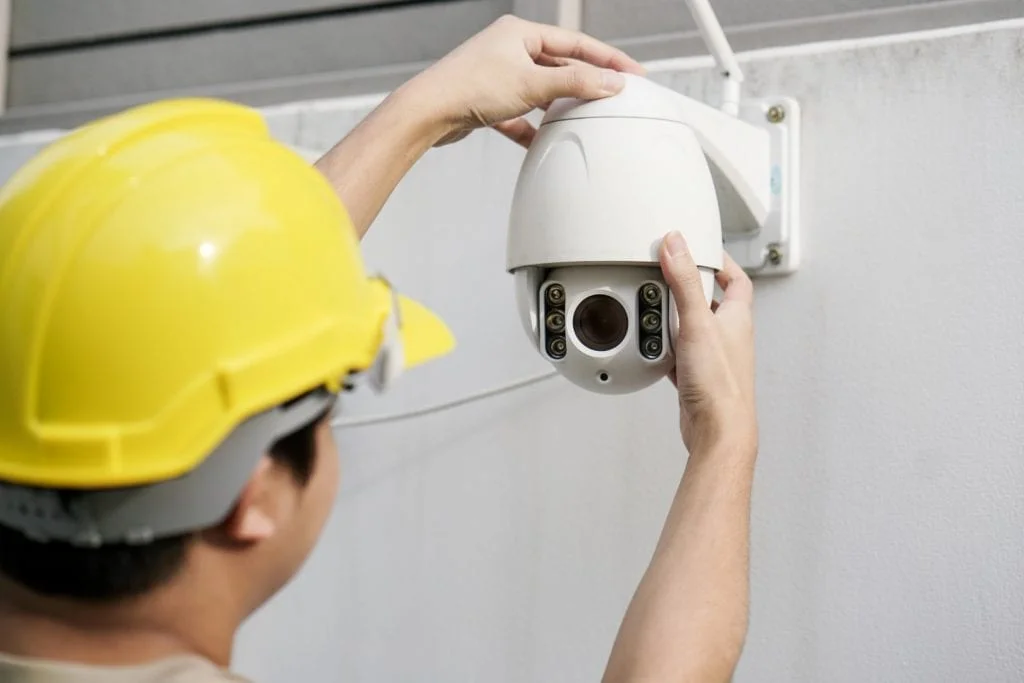
- PTZ Cameras: Pan-Tilt-Zoom (PTZ) cameras can be remotely controlled to pan, tilt, and zoom in on specific areas, providing flexibility in surveillance.
- IP Cameras: Internet Protocol (IP) cameras offer high-resolution video and can be accessed remotely via the internet, making them a popular choice for modern security systems.
Key Features to Consider
When selecting a CCTV camera, consider the following features:
- Resolution: Higher resolution cameras provide clearer images, which can be crucial for identifying faces or license plates.
- Night Vision: Cameras equipped with infrared technology can capture footage in low-light conditions, ensuring 24/7 surveillance.
- Storage Options: Consider whether you prefer cloud storage or local storage solutions, as this will affect how you access and manage your footage.
- Field of View: A wider field of view allows a single camera to cover more area, reducing the number of cameras required.
Planning Your CCTV Installation
Proper planning is essential for an effective CCTV installation. This involves assessing your property, determining the areas that require surveillance, and deciding on the number of cameras needed.
Begin by conducting a thorough security audit of your premises. Identify vulnerable areas such as entrances, exits, and blind spots where intruders could potentially gain access. This will guide you in selecting the right camera types and placements.
Determining Camera Placement
Placement of CCTV cameras is critical for maximising their effectiveness. Here are some tips for optimal camera placement:
- Entrances and Exits: Position cameras to cover all entry points, ensuring that they capture clear images of anyone entering or leaving the property.
- High-Traffic Areas: Install cameras in areas where people frequently gather, such as reception areas or hallways, to monitor activity.
- Outdoor Areas: Ensure that outdoor cameras are weatherproof and positioned to cover driveways, parking lots, and backyards.
- Height and Angle: Mount cameras at a height that prevents tampering and adjust the angle to capture the widest possible view.
Creating a Security Plan
Once you have identified the camera placements, develop a comprehensive security plan. This plan should outline:
- Monitoring Procedures: Decide who will monitor the footage and how often.
- Response Protocols: Establish a protocol for responding to incidents captured on camera.
- Maintenance Schedule: Regularly check and maintain the cameras to ensure they are functioning correctly.
Installation Process
Installing CCTV cameras can be a straightforward process, but it requires careful attention to detail. Depending on your expertise, you may choose to install the system yourself or hire a professional installer.
If opting for a DIY installation, follow these steps:
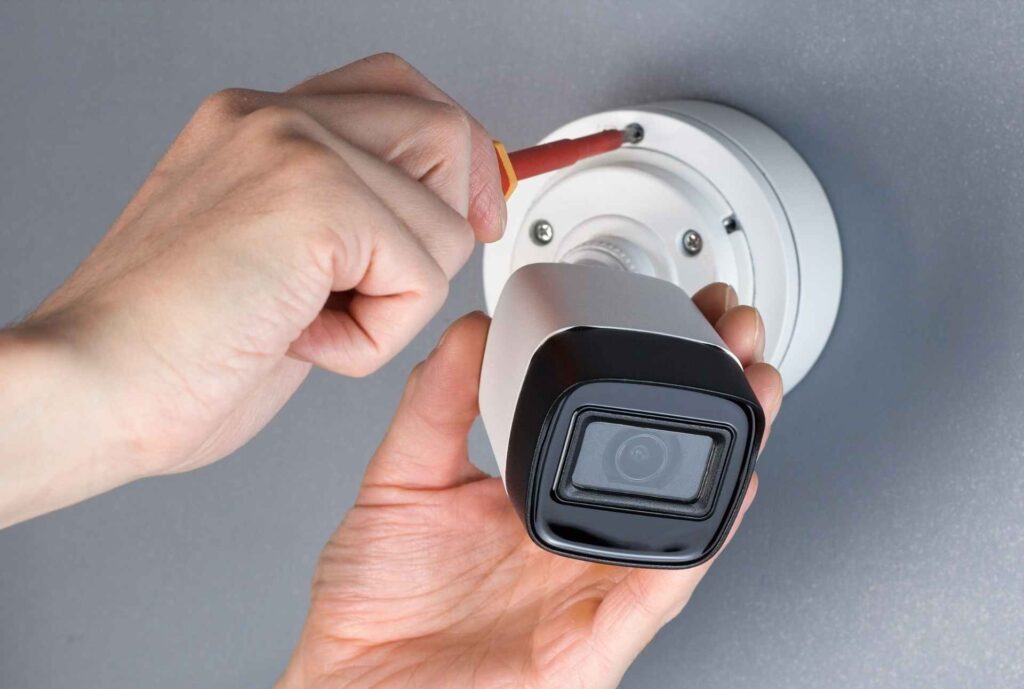
- Gather Necessary Tools: Ensure you have all the required tools, including a drill, screwdriver, and cable management supplies.
- Run Cables: If using wired cameras, run the cables from the cameras to the recording device, ensuring they are secured and protected from damage.
- Mount the Cameras: Securely mount the cameras at the predetermined locations, ensuring they are level and properly angled.
- Connect to Power and Network: Connect the cameras to a power source and, if applicable, to your network for remote access.
Hiring a Professional Installer
If you prefer a hassle-free installation, hiring a professional can be beneficial. A qualified installer will ensure that:
- All Equipment is Properly Installed: Professionals have the experience to install cameras securely and effectively.
- System is Configured Correctly: They can configure the system for optimal performance, including setting up remote access and storage options.
- Ongoing Support is Available: Many professional services offer ongoing maintenance and support, ensuring your system remains functional.
Legal Considerations
Before installing CCTV cameras, it is essential to understand the legal implications associated with surveillance. In Australia, the use of CCTV is governed by privacy laws that vary by state and territory.
Generally, it is permissible to install cameras on your property, provided they do not infringe on the privacy of others. Key considerations include:
- Notification: Informing individuals that they are being recorded can help mitigate privacy concerns.
- Data Protection: Ensure that any footage is stored securely and accessed only by authorised personnel.
- Compliance with Local Laws: Familiarise yourself with local regulations regarding surveillance to avoid potential legal issues.
Maintaining Your CCTV System
Regular maintenance of your CCTV system is crucial to ensure its longevity and effectiveness. This includes checking the cameras, cleaning the lenses, and updating software as needed.
Consider implementing a maintenance schedule that includes:
- Monthly Checks: Inspect the cameras for any obstructions or damage.
- Software Updates: Regularly update the system’s software to protect against vulnerabilities.
- Storage Management: Review and manage stored footage to ensure you have enough space for new recordings.
Conclusion
Investing in a CCTV camera system is a proactive step towards enhancing security for your property. By understanding the technology, planning your installation, and adhering to legal requirements, you can create a robust surveillance system that meets your needs. Whether you choose to install the system yourself or hire a professional, ensuring proper maintenance will keep your security measures effective for years to come.
See Also: Access control system installation: what homeowners and businesses should know.
