
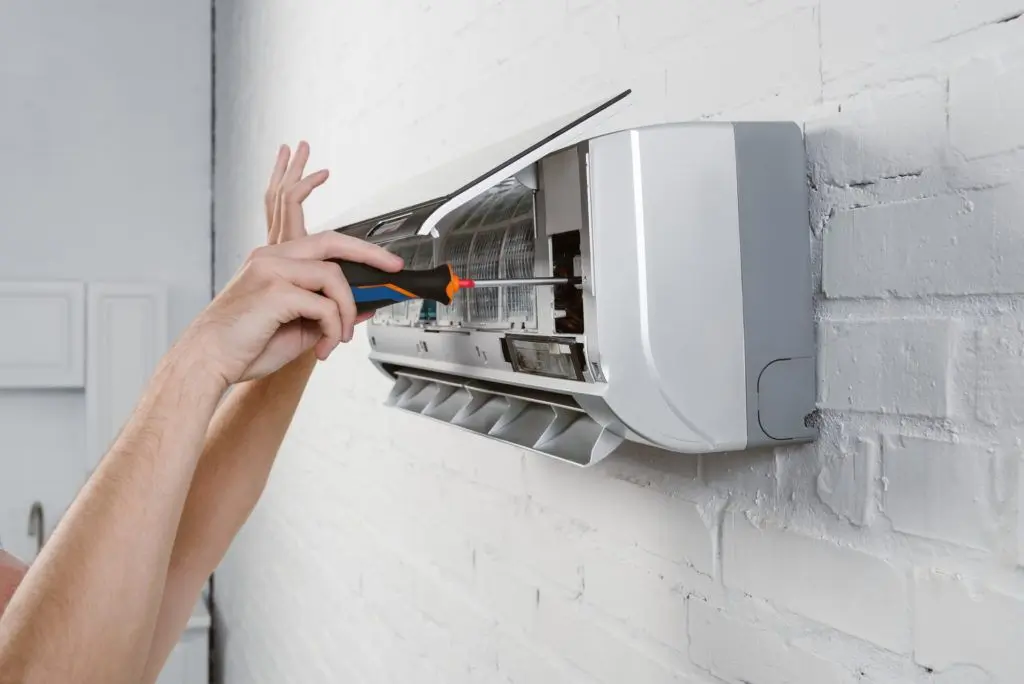

The goal is simple: reliable comfort without inflated power bills, noisy operation, or expensive rework later.
What type of air conditioner suits a Greater Sydney home best?
For air conditioning installation sydney, most Sydney homes choose either split systems or ducted systems, depending on how many rooms need cooling and heating. Split systems suit single rooms or open-plan areas, while ducted suits whole-home control with a cleaner look.
Multi-split systems sit in the middle and can serve several rooms without full ducting, but they can cost more to install and maintain than single splits.
How do they choose the right size (kW) without overspending?
Correct sizing is about heat load, not just floor area. If they oversize, the unit can short-cycle, feel clammy, and waste energy. If they undersize, it runs constantly and still struggles on hot western Sydney afternoons.
A proper site assessment should consider ceiling height, window size and orientation, insulation, airtightness, and how many people typically occupy the space.
What does an installation quote in Sydney usually include?
A good quote clearly lists the unit model, capacity, and what is included in the base price. It should also state installation materials, pipe and cable runs, mounting brackets or slab, condensate drainage, and electrical works.
They should also expect a breakdown of any extras such as long pipe runs, wall penetration complexity, difficult access, asbestos-related constraints, or switchboard upgrades.
How long does installation typically take in Greater Sydney?
A back-to-back split system install often takes a few hours when access is straightforward. If the indoor and outdoor units are far apart, the home is double-storey, or there is tricky roof access, it can take longer.
Ducted installations generally take one to two days, sometimes more if zoning is complex, roof space is tight, or electrical upgrades are required.
What approvals or compliance should homeowners expect?
In NSW, air conditioning installation must comply with safety and building requirements, and refrigerant work must be handled by appropriately licensed technicians. Electrical work must be completed by a licensed electrician, which is often arranged by the installer.
If they live in an apartment or strata-managed property, they may need written approval for outdoor unit placement, noise considerations, and any external penetrations before work begins.
Where should the indoor and outdoor units be placed for best performance?
Indoor units perform best when they can push air across the main living zone without being blocked by bulkheads, doorways, or tall cabinetry. Poor placement can cause drafts, hot spots, and constant temperature adjustments.
Outdoor units need airflow, stable mounting, and clearance for servicing. They should not be boxed in or placed where hot exhaust recirculates, and noise should be considered near bedrooms and neighbouring boundaries.
What should they know about ducted zoning in Sydney homes?
Zoning lets them control which areas get conditioned air, which can cut running costs and improve comfort. The most practical zones usually follow how the home is used, such as living areas versus bedrooms.
A well-designed ducted system also balances airflow, sizes ducts correctly, and uses quality registers. If they notice one room always feels weak, it often traces back to design shortcuts, not the brand of unit.
How can they reduce running costs after installation?
They get the biggest gains from sealing drafts, improving ceiling insulation, and shading west-facing windows. Even a perfectly installed system will work harder in a leaky or uninsulated home.
Smart thermostats, sensible setpoints, and using zones properly also matter. Many households waste energy by cooling empty rooms or setting temperatures too low during peak summer afternoons.
What common installation mistakes should homeowners watch for?
They should be cautious of vague quotes, rushed site visits, and “rule of thumb” sizing. Another red flag is poor condensate drainage planning, which can lead to dripping, staining, or mould risk over time.
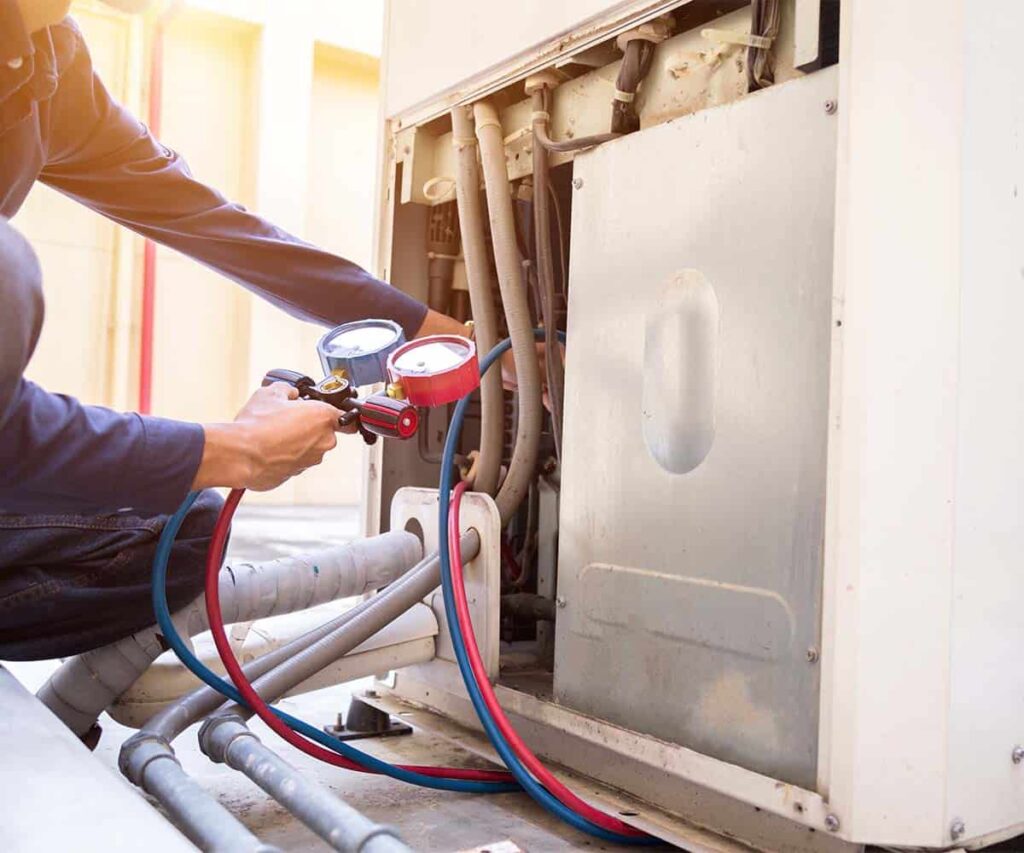
Messy pipework, undersized cable, inadequate brackets, and lack of commissioning checks also cause issues. A quality installer tests operation, confirms refrigerant performance, and explains basic maintenance before leaving.
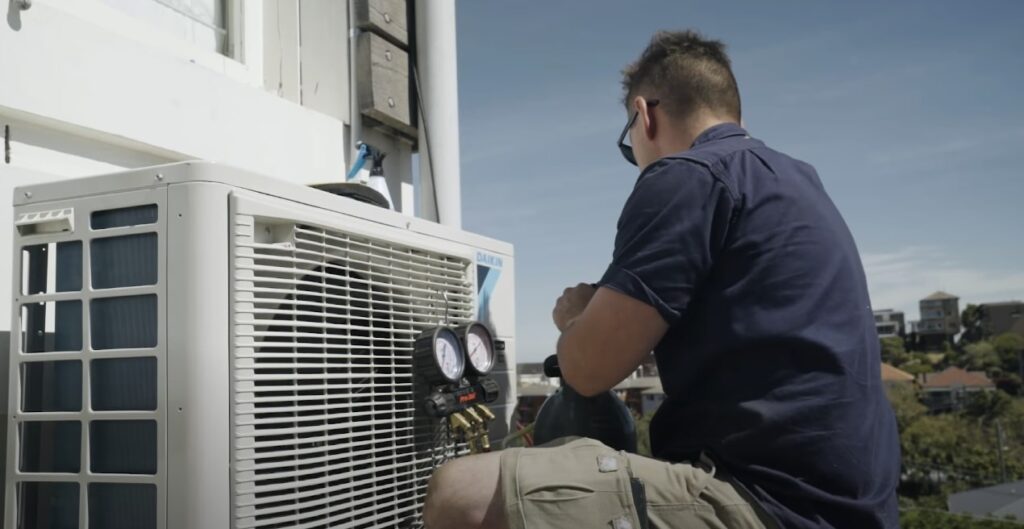
What questions should they ask an installer before booking?
They should ask which model they recommend and why, how they calculated the required capacity, and what is included versus extra. It also helps to confirm who completes the electrical work and what warranty applies to labour and parts.
Finally, they should ask how they will protect the home during installation, how they handle drainage, and what servicing access will look like once the unit is in place.
What should they do before installation day to avoid delays?
They should clear access to the work areas, including paths to the switchboard and outdoor unit location. If pets are present, they should plan to keep them safely away from installers and open doors.
They should also confirm parking, strata permissions if relevant, and any preferred placement decisions ahead of time. Small delays often come from access problems, last-minute location changes, or missing approvals.
What maintenance should they plan for after the install?
They should clean or replace filters regularly, because clogged filters reduce airflow and efficiency. Outdoor units should be kept clear of leaves and debris, and unusual noises or odours should be addressed early.
A periodic professional service helps catch drainage issues, electrical wear, and airflow problems before performance drops during peak summer demand.
What is the simplest way for Sydney homeowners to get a good outcome?
They get the best outcome by choosing the right system type, insisting on proper sizing, and using an installer who explains the design choices clearly. The cheapest quote often becomes expensive if it leads to discomfort, noise, or repeat callouts.
When the system is correctly selected and installed, it should cool and heat evenly, run quietly, and keep energy use predictable across Greater Sydney’s changing seasons.
FAQs (Frequently Asked Questions)
What types of air conditioning systems are best suited for homes in Greater Sydney?
Most Greater Sydney homes opt for either split systems or ducted systems based on their cooling and heating needs. Split systems are ideal for single rooms or open-plan areas, while ducted systems provide whole-home control with a cleaner aesthetic. Multi-split systems can serve several rooms without full ducting but may incur higher installation and maintenance costs.
How is the correct size (kW) of an air conditioner determined to avoid overspending?
Proper sizing focuses on the heat load rather than just floor area. Oversized units may short-cycle, feel clammy, and waste energy, while undersized units run constantly and struggle during hot days. A thorough site assessment considers ceiling height, window size and orientation, insulation, airtightness, and typical occupancy to select the right capacity.
What should a comprehensive air conditioning installation quote in Sydney include?
A detailed quote should specify the unit model and capacity, installation materials, pipe and cable runs, mounting brackets or slab, condensate drainage, and electrical work. It should also outline any additional costs related to long pipe runs, complex wall penetrations, difficult access, asbestos constraints, or switchboard upgrades.
How long does air conditioning installation typically take in Greater Sydney?
A straightforward back-to-back split system installation usually takes a few hours. However, installations can take longer if indoor and outdoor units are far apart, the home has multiple storeys, or roof access is challenging. Ducted system installations generally require one to two days or more if zoning is complex or electrical upgrades are needed.
What approvals and compliance requirements must homeowners consider for air conditioning installation in NSW?
Installations must comply with safety and building regulations. Refrigerant handling must be performed by licensed technicians, while electrical work requires a licensed electrician—often coordinated by the installer. Apartment or strata-managed property owners may need written approvals regarding outdoor unit placement, noise levels, and external penetrations before starting work.
How can homeowners optimize indoor and outdoor unit placement for best air conditioning performance?
Indoor units should be positioned to push air effectively across main living zones without obstructions like bulkheads or tall furniture to avoid drafts and hot spots. Outdoor units require good airflow, stable mounting with clearance for servicing, avoidance of enclosed spaces where hot exhaust recirculates, and consideration of noise near bedrooms and neighboring properties.
See Also: Top 5 signs you need home termite control immediately
