
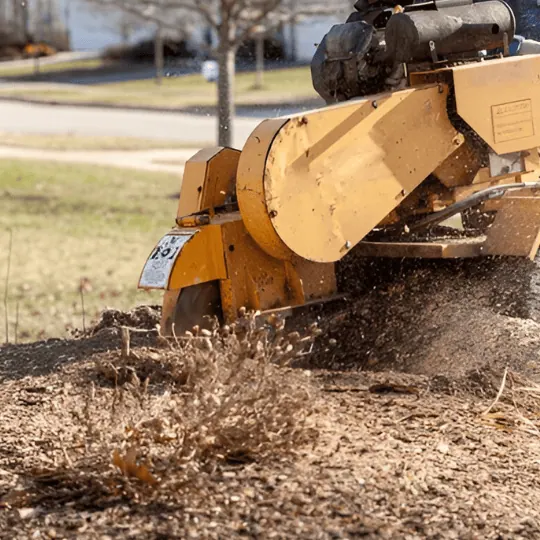

What does stump removal actually mean for a property purchase?
Stump removal is the process of eliminating the remaining base of a tree, often including major roots, so the ground can be safely used again. For property buyers, it matters because stumps can affect safety, building plans, termite risk, and landscaping costs. In some cases, stump removal can also reveal surprises underground, like old pipes, rubble, or root intrusion near services.
Why should property buyers care about stump removal at all?
They should care because a stump can be a cost, a constraint, or a clue. It may limit where they can build a shed, add a pool, lay turf, or install a fence. It can also signal that a large tree was removed due to storm damage, disease, or proximity to foundations. Factoring in stump removal before purchasing the property can help buyers avoid unexpected costs and extra work after moving in.
When is stump removal most likely to become a real issue?
It becomes a real issue when the stump is close to structures, services, or future works. Stumps near retaining walls, driveways, sewer lines, stormwater, or slab edges are higher risk. It is also more pressing when buyers want to renovate quickly, because approvals and trades can be delayed if the site is not clear. In bushfire-prone areas, it may affect asset protection work too.
What risks can a stump pose to homes, yards, and infrastructure?
Stumps can create trip hazards, attract pests, and lead to uneven ground as they decompose. Root systems may interfere with stormwater drainage, garden edging, paving, or plumbing, particularly in older suburbs with shallow services. In some Australian soils, ground movement around decaying roots can worsen minor surface subsidence. Stump removal can prevent these issues from quietly escalating.
Can stump removal affect pest and termite considerations in Australia?
Yes, it can. Decaying timber can attract termites, and while stumps are outside the house, they can still form part of a broader risk profile. A timber stump near fences, garden beds, or subfloor vents may increase moisture and shelter, which termites like. Property buyers should treat stump removal as part of a bigger pest story, not a standalone task.
How can property buyers spot stump-related red flags during inspections?
They can start by checking stump location, size, and signs of regrowth. Fresh cuts, sawdust, fungal growth, cavities, or ant activity can suggest decay and pest interest. They should also look for lifted pavers, cracked garden edging, blocked drains, or soggy patches nearby, since these can indicate root interference. Photographs and measurements help if they later seek quotes for stump removal.
What questions should they ask the seller or agent about stumps?
They should ask why the tree was removed, when it happened, and whether any reports exist. They can also ask if council approvals were required, whether roots damaged plumbing, and whether any stump grinding or partial removal was done. If the seller discloses past insurance claims from storm events, that context matters. Clear answers help property buyers decide if stump removal needs to be priced in.
How do Australian councils and local rules influence stump removal?
Rules vary by council, even within the same city. Some councils treat stumps as part of protected trees, especially if the tree was regulated and removal conditions apply. Others focus on whether further excavation affects street trees, nature strips, or heritage overlays. Property buyers should confirm local requirements before assuming stump removal is simple, particularly in inner suburbs of Sydney, Melbourne, Brisbane, Adelaide, Perth, Hobart, Canberra, and regional centres.
What should they check about easements, services, and underground assets first?
They should check the title and plan for easements, then consider a Dial Before You Dig enquiry before any digging. Stumps near sewer mains, stormwater, or electrical conduits can complicate removal and increase risk. If the stump sits on or near an easement, access and approvals may be restricted. Stump removal is safer and cheaper when they confirm service locations early.
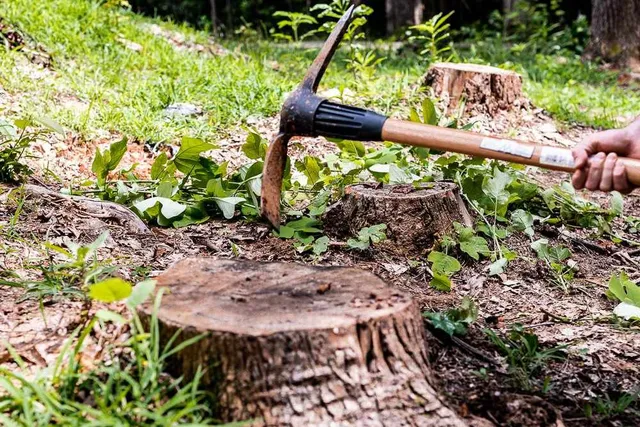
How is stump removal usually done, and which method suits which scenario?
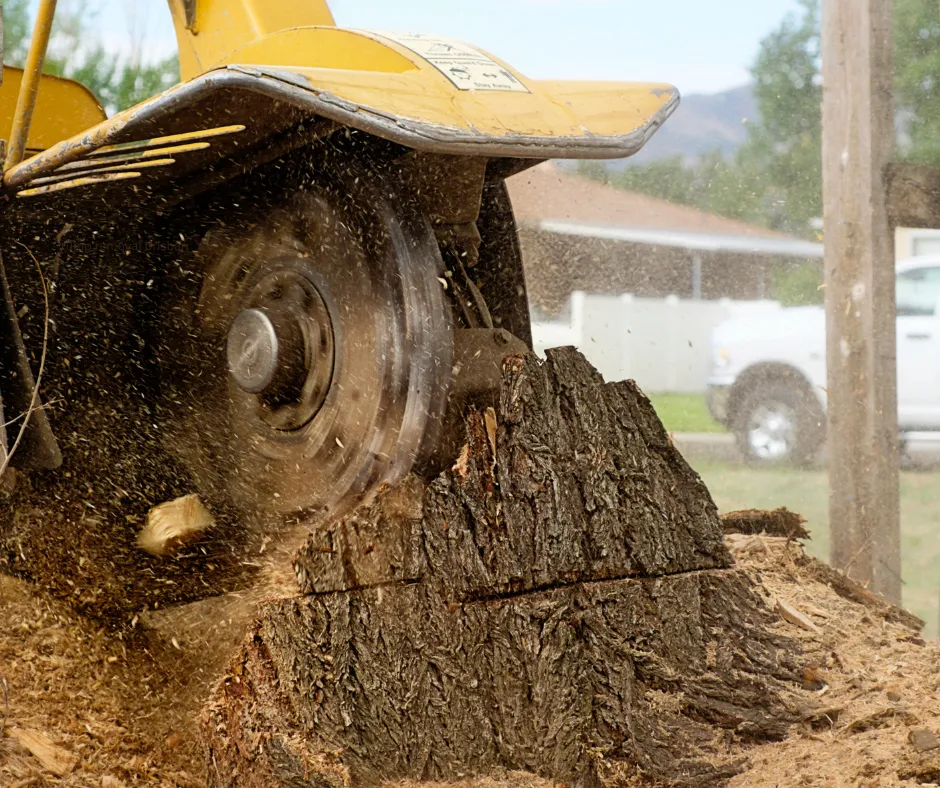
The most common method is stump grinding, where the stump is ground down below the surface. Full removal involves excavation of the stump and roots, which is more disruptive but may be needed for building footings or paving. Chemical treatment is sometimes used to accelerate decay, but it is slow and not ideal for quick plans. As part of Property Checks Including Firewood Storage, buyers should also match the stump removal method to the property’s intended land use, helping reduce future maintenance issues and pest risks.
You’re now chatting with Mini. Responses may have lower quality until 5:37 AM.Try Plus free
How much might stump removal cost in Australia, and what changes the price?
Costs vary widely, but size, access, species hardness, and proximity to structures are key drivers. A small, accessible stump in a flat yard is usually cheaper than a large stump near fences, tight side access, or sloped blocks. Green waste removal, root chasing, and reinstatement of soil can add to the bill. Property buyers should budget for stump removal as part of post-purchase works, not as an afterthought.
Should stump removal be raised during building and pest inspections?
Yes, because inspectors can comment on moisture, timber decay, termite conditions, and site drainage that relate to stumps. While they may not quote stump work, they can flag conditions that make it urgent. If a pest inspector notes conducive conditions, the stump may become a recommended action. For property buyers, it is sensible to link stump removal to inspection outcomes and risk notes.
Can stump removal impact renovation plans, fencing, or landscaping timelines?
It often does. Stumps can block augers for fence posts, interfere with paving base prep, and disrupt irrigation layout. If buyers plan immediate landscaping, stump removal can become the first task, because everything else depends on a stable, clear surface. If they plan extensions, engineers may require clear ground for soil tests. Stump removal can therefore affect sequencing, not just cost.
What due diligence steps help property buyers decide if stump removal is necessary?
They should treat it like any other site constraint and gather evidence before settlement. That usually means photographing the stump, mapping distance to buildings and services, checking council overlays, and requesting at least one professional quote. They can also ask the conveyancer to note any relevant disclosures or approvals. Property buyers who do this early avoid rushed decisions about stump removal after contracts go unconditional.
How can they negotiate stump removal in the contract or price?
They can request the seller complete stump removal prior to settlement, or they can negotiate a price reduction reflecting quotes obtained. Another option is a special condition that the yard is left safe and level, with waste removed. They should ensure any agreed work specifies method, depth, and clean-up, not just “remove stump.” Property buyers benefit when stump removal terms are measurable and dated.
What if they plan to build soon; is stump removal more urgent?
Yes, if construction is likely within the first year. Stumps can obstruct site access, soil classification tests, piering, slab prep, and stormwater design. Builders may also refuse to start until stumps are dealt with, especially if they are within the building footprint. For property buyers with tight build timelines, stump removal should be assessed before signing, not after finance approval.
What is the simplest takeaway for property buyers weighing stump removal?
They do not need to panic, but they should not ignore it. In many Australian homes, stump removal is a straightforward landscaping job, yet sometimes it points to drainage, termites, or service conflicts. A quick check of location, council rules, and costs is usually enough to decide. When property buyers include stump removal in due diligence, they protect their plans, budget, and peace of mind.
<script type="application/ld+json">
{
  "@context": "https://schema.org",
  "@type": "BlogPosting",
  "mainEntityOfPage": {
    "@type": "WebPage",
    "@id": "https://browardconcreteservices.com/is-property-buyers-meant-to-worry-about-stump-removal-a-due-diligence-overview/"
  },
  "headline": "Is Property Buyers Meant to Worry About Stump Removal? A Due-Diligence Overview",
  "image": [
    "https://browardconcreteservices.com/wp-content/uploads/2026/08/pickstumpremoval-640w.webp",
    "https://browardconcreteservices.com/wp-content/uploads/2026/08/stumpremovalbrisbane-1920w.webp",
    "https://browardconcreteservices.com/wp-content/uploads/2026/08/Our-Complete-Stump-Grinding.webp"
  ],
  "author": {
    "@type": "",
    "name": "Rose Macalister",
    "url": "https://browardconcreteservices.com/author/admin/"
  },
  "publisher": {
    "@type": "Organization",
    "name": "Broward Concrete Buyers Agency Services",
    "logo": {
      "@type": "ImageObject",
      "url": "https://browardconcreteservices.com/wp-content/uploads/2024/01/cropped-cropped-cropped-New-logo-10.png"
    }
  },
  "datePublished": ""
}
</script>