


They can treat this as a seasonal routine: do it before summer storm season, before winter heating, and any time they move in or out.
What should they check around firewood storage to reduce pests and fire risk?
Firewood storage should be treated as a pest control and bushfire safety consideration, not just a matter of convenience. In many Australian areas, poorly placed firewood stacks can attract termites, rodents, and spiders while also increasing ember and radiant heat exposure during fire season.
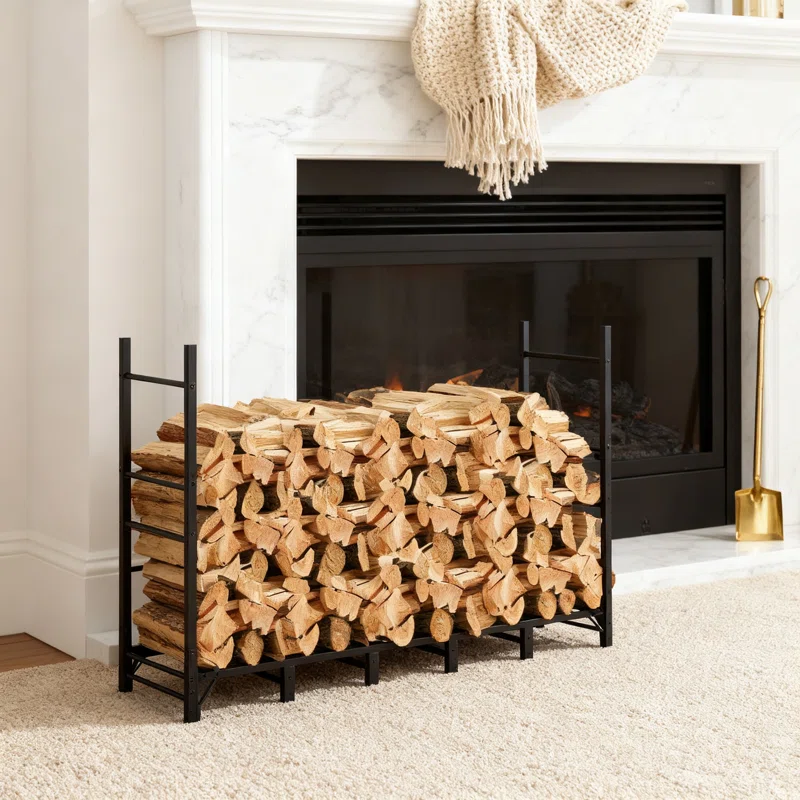
They should store wood off the ground on a rack, keep it dry, and separate it from walls and subfloors. They should also avoid stacking under eaves, beside gas meters, or near ignition sources like BBQs.
For homes in bushfire-prone zones, they should follow local advice on keeping fuel loads away from buildings. Even in metro areas like Sydney, Melbourne, Brisbane, Adelaide, Perth, Canberra, Hobart, and Darwin, firewood storage left hard against a house can become a bridge for pests into framing and insulation.
As part of routine property checks, they should also look for insect trails, droppings, and damp patches behind or under the stack. A five-minute look can save a much bigger call-out later.
What gutter, downpipe, and stormwater issues should they spot before damage starts?
They should confirm roof water is going where it should, because overflowing gutters and blocked stormwater lines can quietly damage eaves, ceilings, and foundations. In Australian storms, one blocked downpipe can send water into wall cavities or under slabs in minutes.
They should clear leaf build-up, especially after windy days or during heavy leaf-drop seasons. If they see rusted sections, sagging, separated joins, or plants growing in gutters, repairs are usually overdue.
Downpipes should discharge into a connected system, not just dump beside the slab. If water pools near the house after rain, they should check for crushed pipes, blocked grates, or poor site fall away from the building.
These are simple property checks that can prevent mould, timber rot, and rising damp style symptoms. If they are unsure, a plumber with a camera inspection can identify a blockage before excavation becomes necessary.
Which hidden moisture and mould clues should they look for inside the house?
They should look for moisture before they smell it, because mould often follows slow leaks and poor ventilation. Bathrooms, laundries, kitchens, and built-in robes on external walls are common problem zones in Australian homes.
They should check for bubbling paint, soft skirting boards, swollen laminate, or stained cornices. A musty smell in a closed room can indicate damp plasterboard or wet insulation even if walls look fine.
In bathrooms, they should confirm exhaust fans actually vent outside and clear steam quickly. In cooler climates like regional Victoria, Tasmania, the ACT, and parts of NSW, condensation can be a major driver, especially on single glazing and uninsulated walls.
As part of ongoing property checks, they should also examine silicone and grout lines. If gaps or cracks appear, water can get behind tiles and cause damage that only becomes obvious when a wall starts to swell.
What termite and timber decay signs should they check beyond the obvious?
They should not rely on seeing live termites to know there is a risk, because damage can be hidden behind linings. Many Australian properties have timber structures or timber elements that attract pests when moisture is present. For homes with old tree stumps close to the building, Stump Removal for Property Buyers can also help reduce conditions that may attract termites and support better long-term property maintenance.
They should check subfloor vents for blockage, garden beds for soil bridging over weep holes, and timber-to-ground contact at fences, steps, and pergola posts. They should also inspect around hot water systems and air con condensate drains, where persistent moisture can create ideal conditions.
Inside, they should look for doors that suddenly stick, rippled paint, or hollow-sounding skirting boards. Mud tubes on brickwork, piers, or inside garages are also a red flag.
These property checks become even more important after landscaping, new decking, or adding raised garden beds. A licensed pest inspector can confirm whether a termite management system is present and whether it is still compliant and maintained.
What safety and compliance checks are often missed in day-to-day living?
They should treat basic safety items as routine maintenance, not set-and-forget. In Australia, smoke alarms are legally required, but batteries, sensor age, and placement still get missed, especially in rentals and older homes.
They should test smoke alarms regularly and replace units that are past their service life. They should also check that electrical switchboards have safety switches, and they should investigate any frequently tripping circuits instead of resetting and ignoring them.

For gas appliances, they should watch for soot marks, unusual smells, or yellow flames. If they suspect a problem, they should arrange a licensed gasfitter, since DIY fixes can be dangerous and illegal.
Outdoor areas also matter. They should check that decks, steps, and handrails feel solid, and that pool or spa barriers self-close and latch properly where applicable. These property checks reduce the chance of injuries and avoid nasty surprises during a sale, lease renewal, or insurance claim.
How can they turn these five items into a simple routine they will actually follow?
They should schedule quick checks that match the Australian seasons, because timing makes the work easier. Before summer, they should prioritise gutters, stormwater flow, and reducing fuel loads, including firewood placement. Before winter, they should focus on ventilation, moisture control, and heating safety.
A practical approach is to do a 20-minute walk-around each quarter and keep a short list of fixes. Photos taken on their phone can help track changes like new stains, movement cracks, or damp patches.
They should also keep receipts and notes for any trades, because documentation helps with warranties, strata questions, and resale. When they treat property checks as a light routine instead of a big weekend project, they are more likely to stay ahead of damage.
Done consistently, these property checks can protect the building, improve comfort, and reduce long-term maintenance costs.
