
But formwork is one of those line items where “cheap” can quietly turn into delays, blowouts, and ugly concrete finishes. So the real question is not whether it is affordable. It is whether it stays affordable once it has been used, stripped, stored, and used again.
Is cheap plywood formwork actually cheaper once the job is finished?
Not always. The upfront sheet price can be lower, but the whole-of-job cost often climbs through higher waste, more patching, and fewer reuses.
If a crew needs extra bracing, more screws, or spends longer flattening bowed sheets, labour becomes the hidden premium. On Australian sites, labour and time are usually more expensive than the timber itself, so cheap plywood formwork can lose its advantage fast.
What counts as “cheap” plywood formwork in Australia?
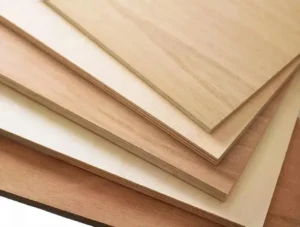
It usually means thinner sheets, lower glue quality, more core voids, or non-structural plywood sold for general building use. Sometimes it is “CD grade” or mixed hardwood ply that was never intended for wet concrete contact.
In Australia, formwork plywood is commonly film-faced (phenolic) and made to predictable tolerances. Cheap plywood formwork often skips that consistency, which is exactly what concrete punishes.
Will cheap plywood formwork affect the concrete finish?
Yes, it often does. The concrete finish tends to mirror defects in the sheet, including grain tear-out, joins that swell, and face checking.
Even when release agent is used correctly, cheaper faces can absorb water and leave patchy staining. For residential work in Sydney, Melbourne, Brisbane, Perth, Adelaide, Hobart, Darwin, or Canberra, this matters if the concrete is to be exposed or only lightly finished.
How many reuses can they expect from cheap plywood formwork?
Usually fewer reuses than they hope. If edges swell or faces delaminate, the sheet becomes hard to strip cleanly and tends to break down after a small number of cycles.
In Australian conditions, repeated wetting and drying is brutal. Cheap plywood formwork might survive one slab and one set of strip footings, but it often struggles to stay flat for repeated pours.
Does cheap plywood formwork warp or swell more in Australian weather?
Yes, especially in humid coastal areas and during wet seasons. Swelling at edges and along fastener lines is common when the glue bond or face seal is weak.
Heat also plays a role. In hot conditions, a sheet that already has internal stress can bow once it is braced, then spring back later. Cheap plywood formwork is more likely to do that because it is less uniform.
Is cheap plywood formwork safe for load-bearing formwork?
It can be, but it requires more caution and conservative design. The risk is not just a sheet snapping; it is deflection that changes concrete dimensions or blows out at a joint.
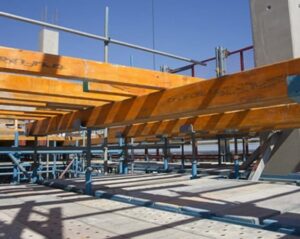
If they are doing suspended slabs, stair formwork, or anything with higher hydrostatic pressure, cheap plywood formwork is rarely the sensible choice. Australian site safety expectations and inspection regimes do not reward “near enough”.
How does cheap plywood formwork compare to film-faced formply?
Film-faced formply is designed for concrete contact. It typically has a sealed phenolic face, better edge sealing, and more consistent thickness, which helps keep levels true.
Cheap plywood formwork may look similar stacked on a pallet, but it tends to drink moisture and degrade at the edges first. Formply usually gives more reuses and a cleaner strip, which can outweigh the higher upfront spend.
When does cheap plywood formwork make sense?
It can make sense for one-off, non-critical pours where the concrete finish is not precious and the geometry is simple. Small garden retaining walls, temporary pads, or low-risk shed slabs can suit it.
In those cases, cheap plywood formwork is sometimes used almost like disposable shuttering. The key is that they should plan for minimal re-use and accept that offcuts and waste will be higher.
What are the most common problems they run into with cheap plywood formwork?
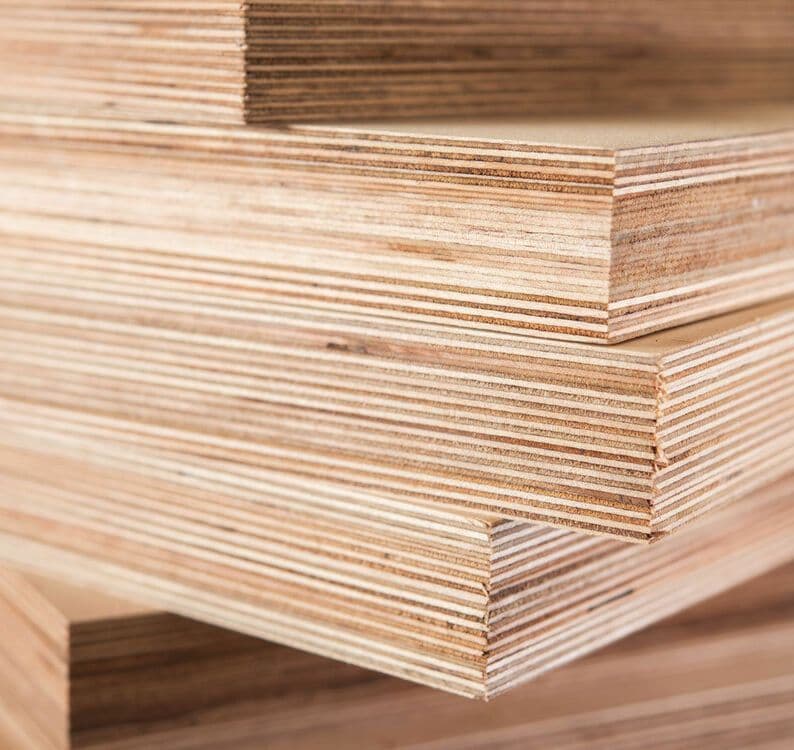
Delamination, core voids, inconsistent thickness, and edge blowout are the big ones. Those problems show up as grout loss, honeycombing near joints, and uneven lines in the pour.
Fastener holding can also be worse, so screws strip out or need extra blocking. This is where cheap plywood formwork becomes a “crew management” problem as much as a materials problem.
Can they reduce risk if they still choose cheap plywood formwork?
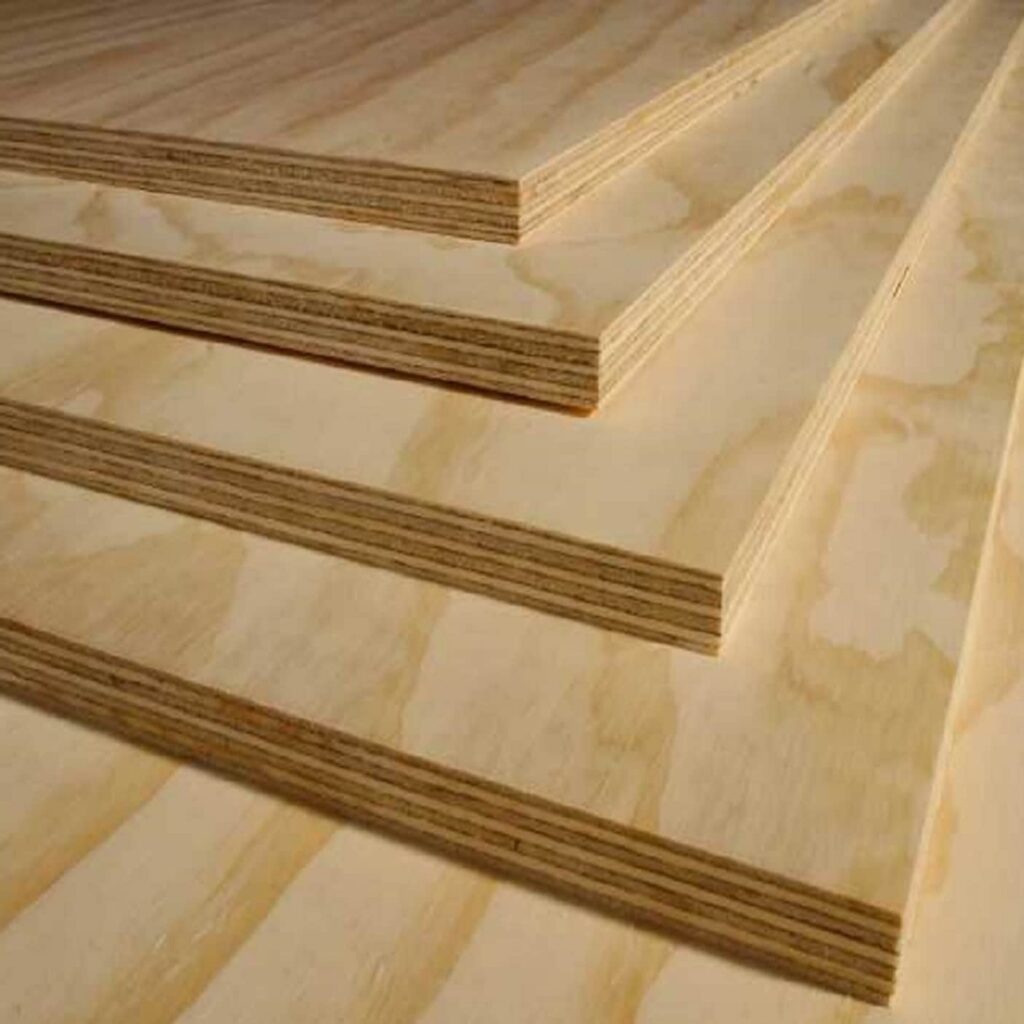
Yes, but it takes discipline. They should seal edges, use proper release agents, increase bracing at joints, and avoid over-vibrating near weak sections.
It also helps to pre-sort sheets and keep the best faces for visible areas. If they insist on cheap plywood formwork, they should treat storage seriously: flat stacking, cover from rain, and airflow underneath to reduce cupping.
How should they check cheap plywood formwork before buying it?
They should check thickness consistency, face integrity, and core quality. A quick look along the edge can reveal voids, and a straightedge test can reveal bowing.
They should also confirm the product is suitable for structural or concrete contact use, not just “exterior” in a vague sense. In Australia, suppliers vary, so they should ask for product data rather than trusting the label on the rack. Check out more about Improving your customer service.
Is cheap plywood formwork a false economy for Australian builders?
Often, yes. If they need reliable re-use, predictable finish, and faster cycles, the “cheap” option usually costs more in time and rework.
That does not mean it is never worth it. It means the value depends on the pour type, expected number of uses, and how much they can afford defects. Used carefully, cheap plywood formwork can be a short-term solution, but it is rarely the best long-term one.
What is the practical rule of thumb for deciding?
If the job needs multiple reuses, visible concrete, or tighter tolerances, they should skip cheap plywood formwork and use proper formply. If it is a simple, one-off pour with low finish demands, cheap plywood formwork can be acceptable.
The decision should be made like any other risk trade-off on Australian sites. They are not just buying plywood. They are buying certainty, time, and fewer surprises when the concrete lorry is already on the way.
Related : How to Choose the Right Concrete Plywood for the Job
FAQs (Frequently Asked Questions)
Is cheap plywood formwork really cheaper once the job is completed?
Not always. While the initial sheet price might be lower, the overall project cost often rises due to higher waste, additional patching, and fewer opportunities for reuse. Labour costs can increase if crews need extra bracing, more screws, or spend longer flattening bowed sheets, especially since labour and time are usually more expensive than the timber itself on Australian sites.
What defines “cheap” plywood formwork in Australia?
Cheap plywood formwork in Australia typically refers to thinner sheets with lower glue quality, more core voids, or non-structural plywood intended for general building use rather than concrete contact. It may include CD grade or mixed hardwood ply not designed for wet concrete exposure. Unlike film-faced (phenolic) formply made to predictable tolerances, cheap plywood often lacks consistency, which negatively impacts concrete finishes.
How does cheap plywood formwork affect the concrete finish?
Cheap plywood formwork often leads to poorer concrete finishes because defects in the sheet—such as grain tear-out, swollen joins, and face checking—are mirrored in the concrete surface. Even with proper release agents, cheaper faces can absorb water and cause patchy staining. This is particularly important for residential projects in Australian cities where exposed or lightly finished concrete is desired.
How many times can cheap plywood formwork be reused in Australian conditions?
Typically fewer times than expected. Edges may swell and faces can delaminate, making sheets difficult to strip cleanly and causing them to break down after only a few cycles. The harsh wetting and drying cycles common in Australia are especially tough on cheap plywood formwork, which might survive one slab pour and one set of strip footings but struggles with repeated uses.
Does Australian weather cause cheap plywood formwork to warp or swell more?
Yes. Humid coastal areas and wet seasons exacerbate swelling at edges and along fastener lines when glue bonds or face seals are weak. Heat can also cause sheets with internal stress to bow when braced and then spring back later. Cheap plywood’s lack of uniformity makes it more prone to these issues compared to higher-quality formply.
When is it appropriate to use cheap plywood formwork on Australian construction sites?
Cheap plywood formwork can be suitable for one-off, non-critical pours where the concrete finish is not a priority and the geometry is simple—such as small garden retaining walls, temporary pads, or low-risk shed slabs. In these cases, it functions almost like disposable shuttering with minimal expected re-use and acceptance of higher waste levels.