
Concrete formwork looks simple until it goes wrong. A pour blows out, the face prints through, edges swell, crews lose time, and suddenly the “cheap sheet” costs a lot. Choosing concrete plywood properly is basically risk management. Not complicated, just specific.
This guide keeps it Australian focused, and practical. They can use it to match the sheet to the pour, the finish, the reuse plan, and the site conditions, without guessing.
What is concrete plywood, and why is it different to regular plywood?
Concrete plywood is plywood made for concrete formwork, with higher strength consistency and a sealed face to resist moisture and alkaline concrete. It is different because it is designed for repeated wetting, vibration, and heavy pressure during pours.
Regular structural ply might hold up once. Formwork ply is built to keep its shape, give a cleaner finish, and survive multiple cycles if handled well.
What Australian standards and compliance should they check first?
They should check that the sheet aligns with Australian expectations for formwork and structural performance, and that the supplier can provide documentation. For projects with engineered formwork, they should match the spec exactly.
In Australia, it usually means checking the stress grade, adhesive type (exterior grade), and whether the product is sold as formply for concrete use. If it is for commercial work, they should not rely on verbal assurances.
How do they choose the right thickness for the pour?
They should choose thickness based on span between supports, pour height, and pressure, because deflection is what ruins lines and finishes first. Thicker sheets handle higher loads and wider joist spacing with less bowing.
On many Australian residential jobs, 17 mm formply is common. For heavier civil pours or larger spacing, they may need 19 mm or more. If the formwork designer has set spans, they should follow that, not site habit.
Which face film and surface finish is best for the result they want?
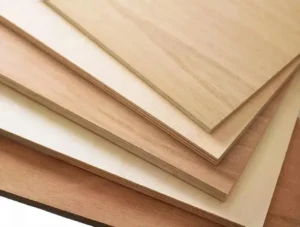
They should pick the face to suit the concrete finish required, because the plywood face is the mould. A smooth phenolic film gives a cleaner, more uniform finish and releases more easily when used with the right agent.
Wire-brushed or textured finishes exist, but most jobs want a consistent Class 2 style look, especially on visible walls. If they are chasing architectural concrete, they should treat the sheet choice like a finishing material, not just a temporary panel.
How can they estimate how many reuses they will get?
They should base reuse expectations on film quality, edge sealing, handling, and cleaning routine, not on the label alone. The same concrete plywood might deliver five uses on a rough suburban site, or thirty on a disciplined commercial crew.
If they want higher reuse, they should look for thicker face film, better core quality, and factory sealed edges. Then protect it on site. A good sheet still dies fast if it is left in puddles or levered off with a bar.
What core construction should they look for, and what defects matter?
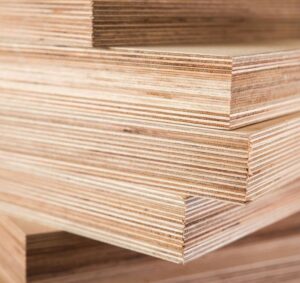
They should look for a consistent, void-free core because voids create weak spots and local blowouts. Core gaps also telegraph through over time, especially when the sheet gets wet and flexed repeatedly.
They should inspect edges for voids, splits, and patchy glue lines. A sheet that feels light for its thickness, or shows uneven layers, is a warning sign. On Australian sites with tight programmes, that risk is rarely worth the small saving.
Does moisture, rain, and coastal air in Australia change the choice?
Yes. They should choose concrete plywood with strong moisture resistance and sealed edges if the sheets will be exposed to rain, slab water, or coastal humidity. Swelling at edges is one of the fastest ways to lose dimensional accuracy.
In places like Brisbane, the Gold Coast, Sydney, Newcastle, and Perth coastal zones, storage discipline matters too. Even the best sheet fails if it lives uncovered on wet ground. They should plan storage before the pack arrives.
How do they match plywood to formwork systems like wall frames and table forms?
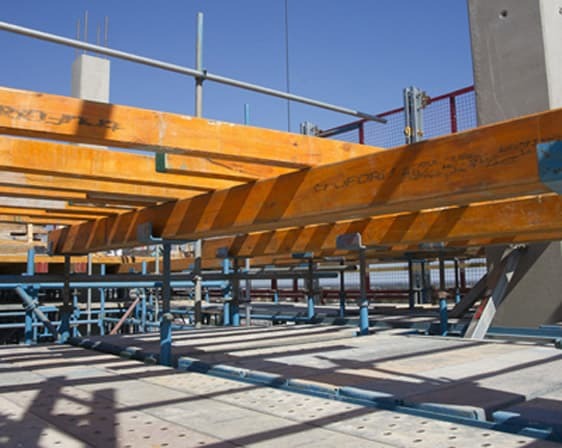
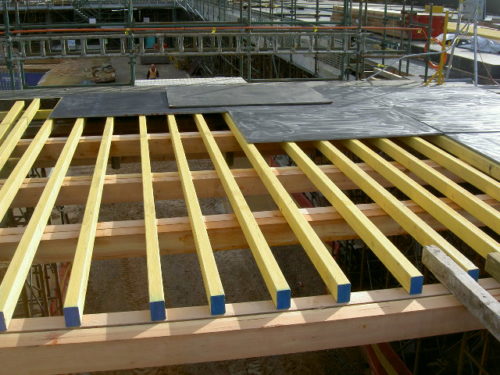
They should match sheet size, thickness, and fastening method to the system so the face stays flat and joints land where the system wants them. Mismatched layouts cause unnecessary cutting and more seams, which means more print-through.
For modular wall frame systems, standard sheet sizes reduce waste. For table forms on mid-rise jobs in Melbourne or Sydney, they might choose a grade aimed at higher reuses and faster cycling. The system drives the economics, not just the sheet price.
What edge sealing and cut protection should they insist on?
They should insist on sealed edges and then re-seal every cut edge immediately, because water enters through exposed laminations first. Once an edge swells, the sheet rarely returns to true.
Many suppliers sell factory edge-sealed concrete plywood, but on site they still cut it. They should keep an edge sealer or compatible coating ready, and make it someone’s job, not a “later” task.
Which release agents work best, and what mistakes ruin the surface?
They should use a release agent recommended for film-faced formply, applied lightly and evenly, because pooling causes staining and dusting. Over-application is one of the most common reasons for blotchy concrete.
They should also avoid diesel as a shortcut. It can affect surface integrity and is not a professional finishing approach. On Australian sites chasing consistent results, a proper release agent and a clean applicator save rework.
How can they avoid blowouts and panel failures on site?
They should choose concrete plywood that suits the load, then back it up with correct framing, spacing, and fastening, because sheet strength is only one part of formwork integrity. Most failures are system failures.
They should also watch for reused sheets with hidden damage, especially around fastener lines and corners. If a panel has crushed edges, delamination, or deep gouges, it should be downgraded to low-risk tasks, not used on critical walls.
See Also : Framing Nails: Sizes, Spans and Specifications
What is the best way to choose between budget and premium sheets?
They should choose based on total cost per pour, not pack price, because labour and delays dominate. Premium sheets often win when reuse is high, finishes matter, or programmes are tight.
Budget sheets can make sense for one-off pours, non-visible concrete, or sacrificial use. But they should still meet minimum expectations for film, bond, and core quality. Buying cheap concrete plywood and expecting premium performance is the usual trap.
How should they store, handle, and clean it to get maximum life?
They should store sheets flat, off the ground, covered but ventilated, because trapped moisture causes warping and edge damage. Handling should avoid dragging and corner drops, which crack film and start delamination.
Cleaning should happen as soon as the panel strips, while residue is soft. They should scrape gently with plastic tools, not gouge the film. With decent habits, concrete plywood stays flatter, releases better, and lasts longer.
What are the quickest “at the counter” checks before they buy?
They should check the face film is consistent, the edges are sealed, and the sheet is flat, because those three things predict performance quickly. They should also ask what the sheet is intended for and how many reuses are realistic in Australian conditions.
If possible, they should look at a cut edge sample for voids. And they should buy from suppliers who can answer basic questions without guessing. If the supplier cannot explain the product, they probably cannot support it either.
How do they decide the right concrete plywood for their specific job?
They should start with the pour type, finish requirement, and expected reuses, then choose thickness, face, and core quality to match. That is the clean way to pick concrete plywood without overbuying or undercooking it.
If they are unsure, they should treat it like formwork design, not a material gamble. A short conversation with the formwork designer or supplier, plus a look at site exposure and handling habits, usually points to the right sheet fast.
FAQs (Frequently Asked Questions)
What is concrete plywood and how does it differ from regular plywood?
Concrete plywood is specially manufactured plywood designed for concrete formwork, featuring higher strength consistency and a sealed face to resist moisture and alkaline effects from concrete. Unlike regular structural plywood, it withstands repeated wetting, vibration, and heavy pressure during pours, maintaining its shape and providing a cleaner finish over multiple uses.
Which Australian standards should be checked when selecting concrete plywood?
In Australia, it’s essential to verify that the concrete plywood meets stress grade requirements, uses exterior-grade adhesive, and is certified as formply suitable for concrete use. Suppliers should provide proper documentation aligning with Australian formwork and structural performance expectations, especially for engineered or commercial projects.
How do I choose the correct thickness of concrete plywood for my pour?
Thickness selection depends on factors such as the span between supports, pour height, and pressure. Thicker sheets reduce deflection that can ruin lines and finishes. For many Australian residential jobs, 17 mm formply is common; heavier civil pours or wider joist spacing may require 19 mm or more. Always follow specifications set by your formwork designer rather than relying on site habit.
What surface finish and face film should I choose for the desired concrete finish?
Select a face film that matches the required concrete finish since the plywood acts as the mould. Smooth phenolic film offers a clean, uniform finish and releases easily with proper agents. While textured finishes exist, most projects prefer a consistent Class 2 style look on visible walls. For architectural concrete, treat sheet choice as a finishing material rather than just temporary panels.
How can I estimate the number of reuses for concrete plywood sheets?
Reuse expectations depend on face film quality, edge sealing, handling practices, and cleaning routines—not just product labels. The same sheet may last five uses on rough sites or up to thirty with disciplined commercial crews. For higher reuse rates, opt for thicker face films, superior core quality, factory-sealed edges, and ensure proper protection on site.
What core construction defects should I watch out for in concrete plywood?
Look for a consistent, void-free core because gaps create weak spots leading to blowouts. Inspect edges for voids, splits, or patchy glue lines. Sheets feeling unusually light or showing uneven layers are warning signs. On tight Australian project schedules, avoiding these risks usually outweighs any small cost savings from inferior sheets.