
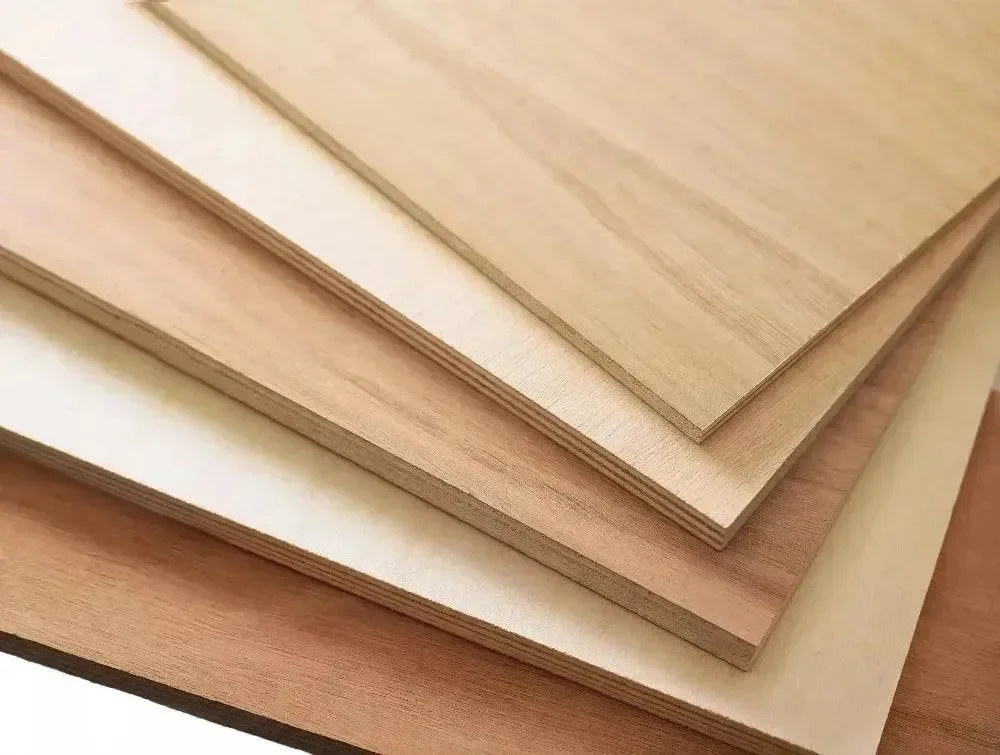

This guide breaks down three practical checks property buyers should prioritise before signing anything, with a specific look at where F14 grade plywood fits into common repairs and upgrades.
What should property buyers check first about the building’s structure and moisture risks?
They should confirm the home is structurally sound and not hiding moisture issues, because these two problems can turn an “affordable” purchase into a long, expensive project. In Australia, movement, drainage, and ventilation are the usual drivers, and they often show up in small clues, including problems with building materials such as F14 grade plywood where strength, durability, and moisture resistance may be important considerations during construction and inspections.
They can start by looking for stepped cracking in brickwork, doors that don’t close cleanly, sloping floors, or fresh paint in suspicious patches. Outside, they should check downpipes, stormwater direction, and whether soil levels sit above the weep holes on brick veneer homes.
A licensed building inspector can test moisture in wet areas, check the subfloor, and note signs of termites or rot. Even in newer estates around Sydney, Brisbane, Perth, or Melbourne’s growth corridors, poor site drainage can still create long term issues.
When repairs are needed, buyers should also ask what materials are appropriate for Australian conditions. For example, if a bathroom, laundry, or kitchen subfloor needs replacing, using F14 grade plywood may be relevant because it is commonly chosen where strength and stability matter.
What should property buyers check about renovations, approvals, and future compliance?
They should verify that any renovation work is approved and compliant, because unapproved structures can become their problem after settlement. Councils across Australia treat compliance differently, but the consequences often look the same: insurance gaps, safety risks, and costly rectification.
They should request documentation for major works such as decks, pergolas, carports, structural wall changes, and bathrooms. Depending on the state, this might include development approval, a building permit, certificates, engineering, waterproofing compliance, and final occupancy sign off.
If the property has a deck, they can look for bounce, loose posts, rusting fixings, or timber close to soil. If parts of the deck are being rebuilt, builders may specify F14 grade plywood for certain structural or bracing uses, but the key is that the whole assembly still needs to meet code and be installed correctly.
They should also consider strata rules if it is a unit or townhouse. In many Australian strata schemes, owners cannot simply change floors, alter wet areas, or modify balconies without approval. That matters because materials, acoustic ratings, and waterproofing details can be tightly controlled.
Finally, they should be cautious with “DIY renovated” listings. A neat finish does not confirm good workmanship underneath, especially in wet areas where failure can take years to show.
What should property buyers check about materials and hidden quality, including F14 grade plywood?
They should check whether the materials used match the job, because many defects come from the wrong product in the wrong place. In Australian homes, this often appears in wet areas, flooring substrates, and external structures where weather exposure and moisture cycling are constant.
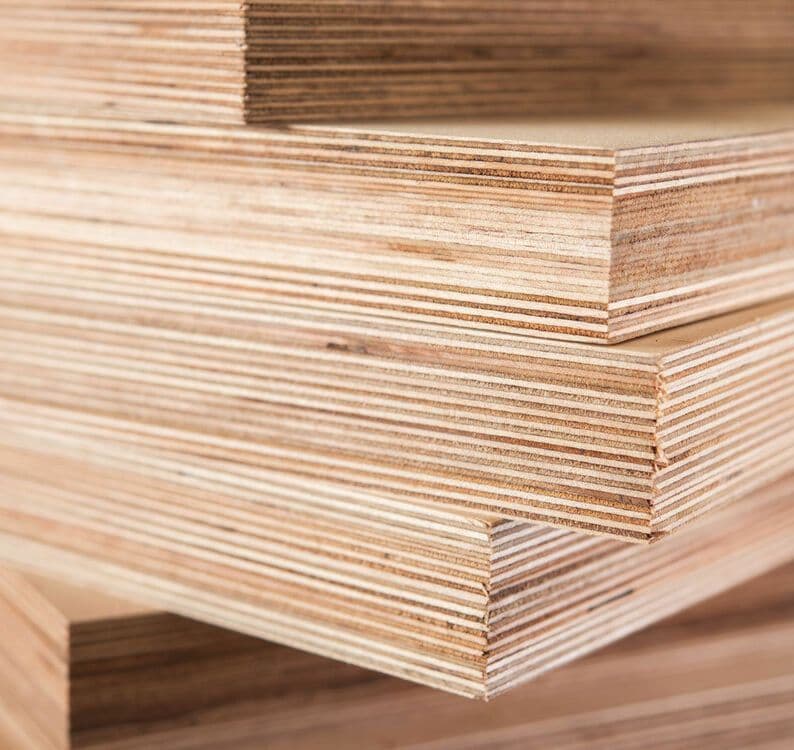
They can start by asking: what is under the flooring, behind the tiles, and beneath the cabinetry? A stylish kitchen may still be sitting on a swollen subfloor or poorly supported sheet material. Understanding factors such as Timber LVL Formwork Cost can also help when comparing structural materials and planning projects where strength and durability are priorities. Where reliable support is needed, the sheet choice matters, and F14 grade plywood is one option that is often specified for demanding applications.
They should understand what “F14” signals in practical terms. It is a stress grade associated with structural performance, which is why it may appear in flooring, bracing, and support contexts. When they see sagging floors, squeaks that worsen after rain, or tile cracking near doorways, they should consider whether the underlying structure and sheeting are adequate.
If a building report flags subfloor repairs, buyers can ask a tradie what material would be used and why. In some cases, the answer may be F14 grade plywood, particularly where they need a sturdy, stable sheet and the build requires structural-rated material. In other cases, a different structural product might be more suitable depending on exposure, spans, and the relevant Australian Standards.
They should also check for signs of cheap substitutions. Common red flags include thin sheets that feel bouncy underfoot, patchwork repairs, mismatched fasteners, and swelling at joins. If an agent mentions “new flooring,” buyers should ask what was replaced underneath and whether the substrate was upgraded or just covered up.
It is also worth looking at garages and sheds. Many Australian garages are used as workshops, gyms, or storage rooms, and floors and wall linings take a beating. If they plan to fit out the space, knowing whether they can anchor shelving safely or whether the walls need bracing becomes important. In some fitouts, F14 grade plywood is chosen for strength and fixing capacity, but it still needs correct framing and installation.
They can also use material quality as a negotiation tool. If the home needs new wet area flooring, external steps, or structural patching, they can request quotes before exchange and use them to adjust their offer. Material choice affects durability, and durable choices often cost more upfront but less over time.
What is a practical checklist property buyers can use before signing in Australia?
They should aim to confirm three things: the property is stable, the paperwork matches the reality, and the materials are fit for purpose. If any one of those is unclear, they should slow down and investigate before committing.
They can use this quick checklist during inspections and the due diligence period:
- They arrange a licensed building and pest inspection, and read the full report, not just the summary.
- They check drainage, gutters, downpipes, and ground levels near the house.
- They look for cracking, movement, and moisture staining around wet areas and windows.
- They confirm approvals for renovations, decks, carports, and structural changes with the relevant council or certifier.
- They review strata records, by laws, and sinking fund forecasts if it is a strata property.
- They ask what materials were used in recent works, especially in wet areas and subfloors.
- They confirm likely repair materials and costs, including whether F14 grade plywood is recommended for any structural sheet replacement.
In many Australian purchases, these steps are what separates a confident decision from an expensive surprise. When buyers treat checks as part of the purchase price, they are less likely to overpay for presentation and more likely to buy a home that performs well long after settlement.
They should remember that F14 grade plywood is not a magic fix, but it can be a meaningful signal of intent when it is specified appropriately and installed correctly. It is one more detail that helps them judge whether a property has been built and maintained with long-term durability in mind.
<script type="application/ld+json">
{
  "@context": "https://schema.org",
  "@type": "BlogPosting",
  "mainEntityOfPage": {
    "@type": "WebPage",
    "@id": "https://browardconcreteservices.com/top-3-things-property-buyers-should-check-before-purchasing-including-f14-grade-plywood/"
  },
  "headline": "Top 3 Things Property Buyers Should Check Before Purchasing, Including F14 Grade Plywood",
  "image": [
    "https://browardconcreteservices.com/wp-content/uploads/2026/08/ceiba-plywood-abb-4mm-3-plies-for-laser-cutting-ply-online.webp",
    "https://browardconcreteservices.com/wp-content/uploads/2026/08/07801799.jpg",
    "https://browardconcreteservices.com/wp-content/uploads/2026/08/special-order-marine-grade-premium-plywood-15798-p.jpg"
  ],
  "author": {
    "@type": "",
    "name": "Rose Macalister",
    "url": "https://browardconcreteservices.com/author/admin/"
  },
  "publisher": {
    "@type": "Organization",
    "name": "Broward Concrete Buyers Agency Services",
    "logo": {
      "@type": "ImageObject",
      "url": "https://browardconcreteservices.com/wp-content/uploads/2024/01/cropped-cropped-cropped-New-logo-10.png"
    }
  },
  "datePublished": ""
}
</script>